
The One Market That Beat The Bookies — Rodri’s Golden Ball From 11.0
 Available in US
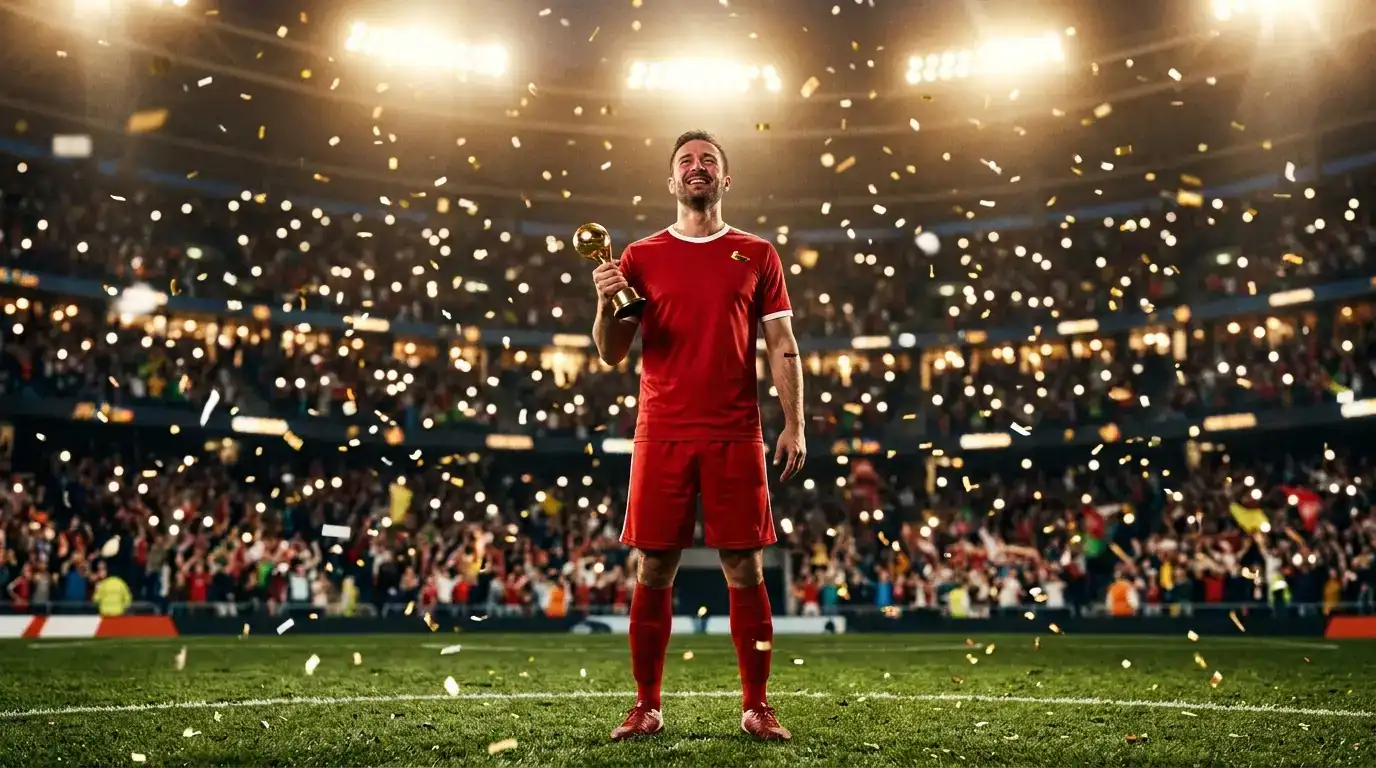
Every favourite delivered at this World Cup except one, and it is the one worth studying. Spain won at 1.67. Mbappé took the Golden Boot at 1.04. Unai Simón landed the Golden Glove at 1.13. And then there was the Golden Ball — the tournament’s best-player award — where the market had Lionel Messi as a rolled-gold favourite around 1.11, and it was Rodri who walked away with it from a price near 11.0. If you want to understand where value actually lives in tournament futures, this is your case study.
Let me be blunt about what happened here, because it is the kind of result that separates punters who read the game from punters who read the sentiment.
The Price Told You Sentiment, Not Probability
Messi at 1.11 for the Golden Ball implied roughly a 90% chance he would be named the tournament’s best player. That is an extraordinary number for an individual award decided by a voting panel — and it was built almost entirely on narrative: the "last dance," the veteran icon, the story everyone wanted. But Messi finished the tournament held scoreless in the final, on 8 goals and 4 assists overall, and Argentina lost.
Rodri, meanwhile, captained the side that conceded one goal in eight games and won the whole thing. He anchored the midfield of the champions. On the merits — team success plus individual control of games — he was always a live candidate, and the panel saw it. The Golden Ball podium finished Rodri, then Messi with the Silver, then Mbappé with the Bronze.
Inside Angle — The Comeback The Market Ignored
Here is the detail that makes Rodri’s price look genuinely mispriced in hindsight. He ruptured his right ACL in September 2024 and missed most of the 2024-25 season. Pep Guardiola had said publicly that "the real Rodri" would return at the 2026 World Cup — and he anchored a title win roughly 20 months after surgery.
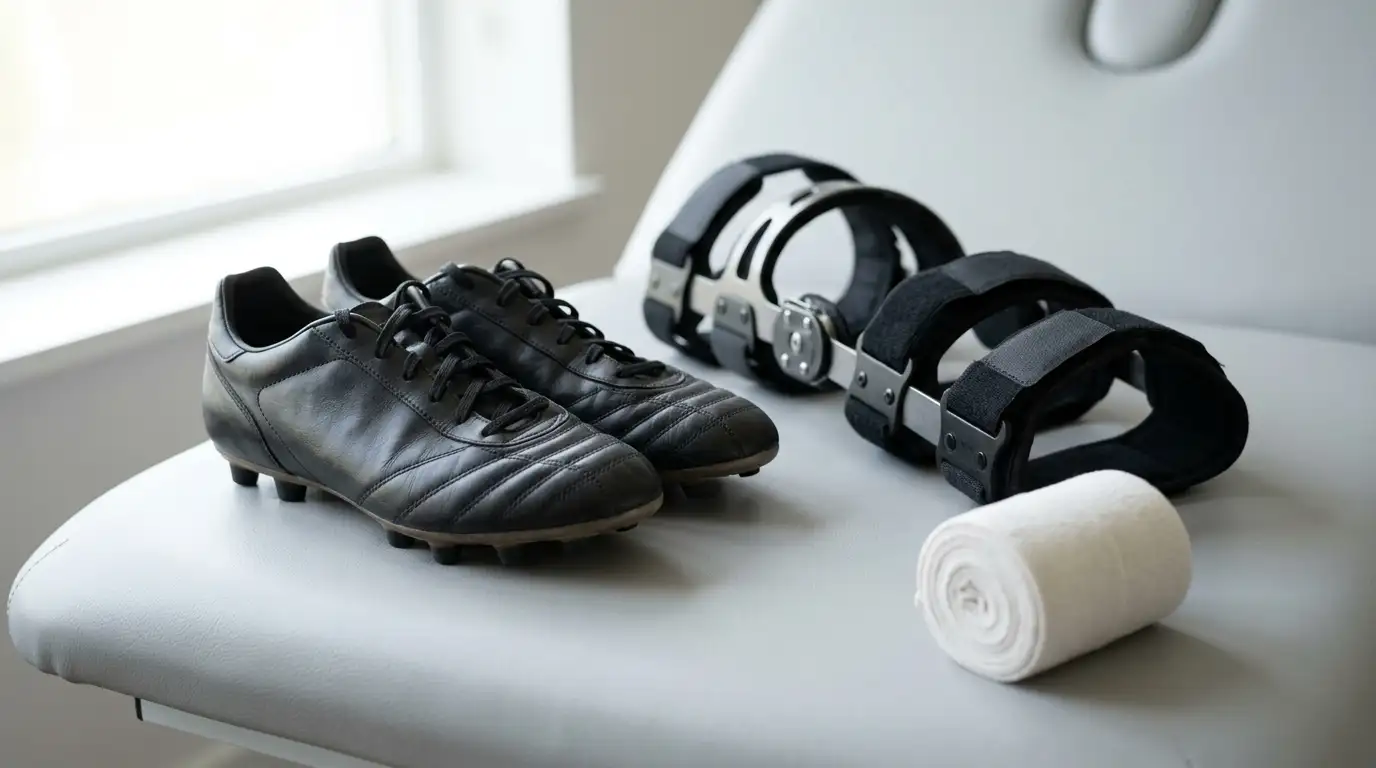
The market saw an injury-return midfielder and drifted him to 11.0. What it missed was that a fully-fit Rodri is the best defensive midfielder in the world, and that his role — controlling tempo for the meanest defence in the tournament — is exactly the profile a Golden Ball panel rewards when the flashier names fade. That is information gain you could act on: when a genuinely elite player returns from a long injury at a marquee tournament, the "injury discount" in the market often outlives the actual injury.
- Messi’s 1.11 Golden Ball price was built on narrative, and narrative finished second.
- Rodri won from around 11.0 by anchoring the champions, not by scoring headlines.
- The ACL “injury discount” lingered in his price long after he was fully fit.
- Award markets decided by panels punish short odds-on favourites more often than match markets do.
In his own words after the win, Rodri called it "the perfect script" (translated from Spanish) and said he wanted younger players to see that "a player who touches the heavens, then descends into hell, can come back" (translated from Spanish). For a punter, the translation is less poetic but just as useful: fade the storyline price, back the merit.
The brands in our pool ran deep futures books on the individual awards through the knockouts — RichRoyal and BillyBets among those holding Golden Ball markets in AUD. For how the outright winner market moved alongside these, see our odds breakdown on who the bookies feared, and our inside-track predictions page for the pre-tournament reads.
Insider Verdict
The Golden Ball was the only major market at this World Cup where the pre-tournament favourite lost, and it was no fluke — it was a panel rewarding the captain of the champions over a beaten finalist. The punters who found Rodri at double-figure odds were not gambling on chaos; they were pricing team success and a full-fitness return the market had discounted. When an award market goes odds-on for a storyline, that is your signal to look down the board. Merit beats narrative more often than the price admits.
